Small Business Finance :: Articles

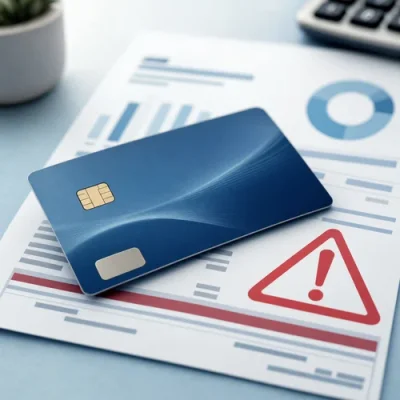
Five Worst Credit Card Mistakes

What are the five worst credit card mistakes to avoid?

Five Worst Credit Card Mistakes

The information on this website is general in nature and does not take into account your objectives, financial situation, or needs. Consider seeking personal advice from a licensed adviser before acting on any information.

Credit cards can be an excellent way to manage your finances ... they can even be an investment tool. However your credit card can quickly become your enemy if not used correctly. Here are five of the worst mistakes most credit card holders make. If you can avoid these mistakes, you will benefit greatly.

Listed below are five worst mistakes most credit card holder make. If you can avoid these mistakes, you will benefit a lot.

1. Too many credit cards:

In most cases, a single credit card is sufficient to meet all the credit needs in a person's life.

More than one card leads to greater temptation resulting in inviting greater credit risk over a long run.

Multiple credit cards or credit accounts leave the lender with a question that the account holder must be spending all the money on the card.

2. Misunderstanding introductory rates:

Introductory rates on them are often low.

Debt Stressed?
Image for Debt Stressed?If you're struggling to pay your debts and covering living expenses, we're here to help. Through our national panel of Debt Management specialists, we can help customers with $10k or more in debt by consolidating your existing loans, stopping Debt collectors from contacting you and re-negotiating repayments on your terms!

Many people get enticed by these rates. However, they give least attention to the rates that are levied once the introductory period is over, which can be as high as 20 percent.

3. Not reading the fine print:

This is the most common credit card mistake committed by a majority of people.

This is one strategy that companies apply to escape from legal entangles and also attract customers.

Most of the terms and conditions, including the interest rates, at the end of the introductory period are written in a fine print at the bottom or at the end of the brochure.

It is important to read these conditions in order to have a better understanding about the benefits offered by a particular card.

4. Making minimum payments:

This is another common mistake committed by consumers.

Credit cards should be used only during emergencies.

People should understand that credit cards offer money on credit but are not a form of income.

It is important to pay off the credit at the end of every month. With minimum payments, the trouble is going to increase further.

This is because the interest rates on the balance amount will be higher making it difficult to pay off loans for a long time.

5. Paying bills late:

When one wants to pay the credit card bill, it is better to pay that well ahead of time.

Most of the companies charge late-payment fees.

Apart from this, late payment of bills gets reflected in the credit reports, thereby making it difficult to obtain loans at better terms when one goes for any loans in the future.

Published: Tuesday, 24th Aug 2021
Author: 85

Rate this article

0 Comments

No comments yet. Be the first to share your thoughts.


Business Loans Articles

Cash Flow Tips: Managing Your Finances for Startup Success
Cash flow is the lifeblood of any business, especially startups. It represents the total amount of money moving in and out of your business, and its management is essential for ensuring that your company can pay its bills and invest in future growth. Proper cash flow management helps to identify when money is needed, allowing businesses to make informed decisions and avoid potential crises. - read more
The Rise of Alternative Lending: What Small Businesses Need to Know
Alternative lending refers to financial services provided by non-bank institutions. These lenders offer various financing options to individuals and businesses who may find it challenging to secure loans from traditional banks. - read more

Finance News

Non-Bank Lenders Seek Access to Economic Resilience Program
22 May 2026: Paige Estritori
Non-bank lenders are calling for inclusion in the Australian government's $1 billion Economic Resilience Program, emphasizing their crucial role in providing finance to small and medium-sized enterprises (SMEs). The Reserve Bank of Australia has noted a significant increase in the non-bank share of SME lending since 2022, particularly for smaller loans. This growth is driven by SMEs' demand for faster decisions, more flexible criteria, and diverse funding options. - read more
Subprime SMEs Escalate Credit Shopping Efforts
22 May 2026: Paige Estritori
Recent data indicates a notable shift in borrowing behavior among Australian small and medium-sized enterprises (SMEs), particularly those classified as high-risk. While overall business credit demand has remained relatively stable, subprime SMEs are increasingly approaching multiple lenders in search of financing solutions. - read more

Need Help Finding a Loan?
Business Loan Quote
Loan Amount:
Postcode:

All quotes are provided obligation-free by a participating broker from our national referral partner network. We respect your Privacy.

All finance quotes are provided free (via our secure server) and without obligation.
We respect your privacy.

Knowledgebase
Private Mortgage Insurance (PMI):
A type of insurance that a borrower might be required to purchase as a condition of a conventional mortgage loan, if the down payment is less than 20% of the property value.