The information on this website is general in nature and does not take into account your objectives, financial situation, or needs. Consider seeking personal advice from a licensed adviser before acting on any information.
Business credit can influence how a small business accesses finance, negotiates with suppliers and manages cash flow pressure. This guide explains how business credit works, why it matters and the practical habits that can help support a stronger credit profile over time.
What is business credit?
Business credit refers to a company's ability to obtain goods, services or borrowed funds on agreed payment terms. It is linked to the likelihood that the business will meet its repayment obligations, based on its financial behaviour and credit history.
For small businesses, business credit can be relevant when dealing with lenders, suppliers, vendors and other commercial partners. A stronger credit profile may help demonstrate reliability, while a weaker or limited profile may make some lenders or suppliers more cautious when offering credit terms.
Business credit versus personal credit
Personal credit is tied to an individual and their history of managing personal debts. Business credit is connected to a company or business entity and its record of meeting commercial obligations.
Keeping business and personal finances separate can make financial management clearer and may help a business build its own credit history. Common steps include using a dedicated business bank account, recording business transactions separately and avoiding unnecessary reliance on personal credit for business expenses.
| Area | Personal credit | Business credit |
|---|
| Linked to | An individual borrower | A company or business entity |
| Assessed through | Personal borrowing and repayment history | Business repayment behaviour, supplier accounts, lender history and other commercial records |
| Common use | Personal loans, credit cards and mortgages | Business loans, supplier trade accounts, lines of credit and other business finance |
Why business credit matters for cash flow
Cash flow is affected by the timing of money coming in and going out. Business credit can influence that timing because it may affect access to finance, repayment terms, supplier arrangements and available credit limits.
A business with a stronger credit profile may be in a better position to discuss credit terms with suppliers or lenders. This can be useful when managing seasonal revenue, large inventory purchases, equipment needs or short-term operating expenses. However, credit should still be managed carefully, because every repayment obligation affects future cash flow.
Business credit does not guarantee approval, lower costs or better terms. Lenders and suppliers may consider many factors, including revenue, trading history, existing debts, repayment capacity and the purpose of the credit.
What can affect a business credit profile?
Business credit reporting agencies may assess a range of information when forming a view of creditworthiness. The exact factors and scoring methods can vary, but the following areas are commonly relevant:
- Payment history: whether debts, invoices and other obligations are paid on time.
- Credit use: how existing facilities are used and whether balances are managed responsibly.
- Length of credit history: how long the business has had active credit relationships.
- Public records: any relevant records that may indicate financial stress or unresolved obligations.
- Business information: details about the business, its structure and trading activity.
Business credit rating agencies mentioned in the source material include Dun & Bradstreet, Experian and Equifax. Because information can be incomplete or incorrect, regular review of business credit records is a useful governance habit.
Steps to build and improve business credit
1. Open and use a dedicated business bank account
A business bank account helps separate company transactions from personal spending. This can make record keeping clearer and provide a more organised view of income, expenses and cash flow.
2. Establish trade lines with suppliers and vendors
Trade lines are credit arrangements with suppliers or vendors that allow a business to buy now and pay later under agreed terms. When managed well, these arrangements can help show a pattern of reliable commercial payments.
3. Pay invoices and credit obligations on time
Timely payment is one of the most important habits for building business credit. Paying before or by the due date can support a business's reputation with suppliers and lenders. Late or missed payments can have the opposite effect and may also create pressure on supplier relationships.
4. Understand credit terms before accepting them
Credit terms can include interest rates, fees, repayment schedules, default provisions and other obligations. Before accepting finance or supplier credit, it is important to understand the total cost and the timing of repayments. For more detail on how borrowing costs can be structured, see this guide to business loan interest rates, fees and repayment costs.
5. Monitor business credit reports
Reviewing credit reports can help identify incorrect information, unexpected listings or areas that may need attention. If a discrepancy appears, the business can investigate and take appropriate steps to correct it.
6. Keep business records current
Clear, up-to-date records can make it easier to understand current obligations and respond to lender, supplier or adviser questions. Accurate records also support internal decision-making when considering new credit.
Using credit to manage cash flow
Credit can be useful when it is matched to a genuine business need and repayment capacity. It can also create risk if used to cover ongoing losses, fund expenses without a clear plan or replace disciplined cash flow management.
Lines of credit
A line of credit can provide access to funds up to an approved limit. It may help smooth short-term cash flow fluctuations, such as when expenses fall due before customer payments arrive. Because it is a credit facility, the business still needs to manage interest, fees and repayments.
Business credit cards
Business credit cards can help with purchasing and expense tracking, but they require careful management. Key details to review include repayment dates, interest rates, fees and any benefits such as cashback or rewards programs. Benefits should not distract from the cost of carrying debt.
Term loans and equipment finance
Term loans may be used for larger investments, while equipment finance or leases may support the purchase or use of business assets. The appropriate structure depends on the purpose of the finance, cash flow timing and repayment capacity. If you are weighing different structures, this overview of types of business loans in Australia explains common business finance options.
Estimating repayments
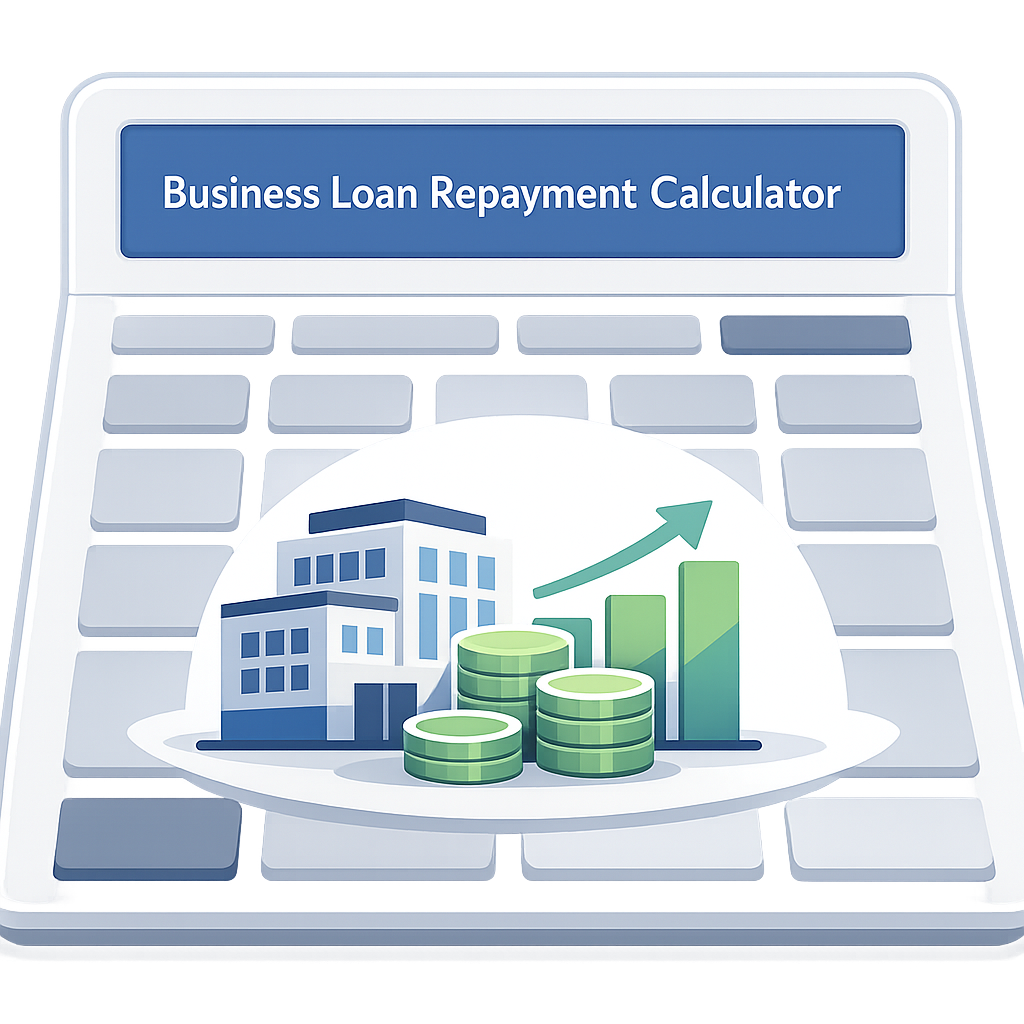
Before taking on business debt, it can be useful to model how repayments may fit into the budget. A business loan repayment calculator can help estimate repayment scenarios based on the information entered, although it should not be treated as a loan offer or approval assessment.
Strategic planning for debt and cash flow
Create a budget that includes repayments
A budget should account for regular operating costs, tax obligations, supplier payments, loan repayments and any seasonal changes in revenue. Including debt repayments in the budget helps show whether a proposed credit facility is likely to place pressure on cash flow.
Maintain a cash reserve where possible
Unexpected costs, slow customer payments or changes in trading conditions can affect day-to-day operations. A cash reserve may provide a buffer and reduce the need to rely on urgent credit during difficult periods.
Review the purpose of each debt
Debt used for productive business investment may support growth or efficiency, such as funding equipment that improves operations. Debt used only to cover short-term gaps without addressing the underlying issue may create further pressure. The key question is whether the debt has a clear purpose, a repayment plan and a realistic connection to business needs.
Consider refinancing or consolidation carefully
Refinancing or consolidating debts may simplify repayments or change monthly cash flow, depending on the terms. However, it can also involve fees, longer repayment periods or different total costs. Businesses should compare the full terms, not just the immediate repayment amount.
If you are comparing business finance options, you can start with the small business finance quote page to understand what information may be relevant when exploring available options.
Common mistakes to avoid
- Relying too heavily on personal credit: using personal credit for business spending can blur financial boundaries and may limit the business's own credit history.
- Ignoring the fine print: interest, fees, repayment timing and default terms can materially affect cash flow.
- Missing repayment dates: late payments can damage supplier relationships and may affect creditworthiness.
- Failing to review credit reports: incorrect or unresolved issues can remain unnoticed if reports are not checked.
- Using credit without a plan: borrowing should be connected to a defined business purpose and realistic repayment strategy.
Best-practice habits for stronger business credit
- Review supplier credit arrangements regularly and keep contact details and account information up to date.
- Communicate early with suppliers or lenders if payment timing becomes difficult.
- Track all credit facilities, limits, balances, fees and repayment dates in one place.
- Consider whether credit management software or professional support would improve oversight where multiple facilities are in use.
- Build relationships with banks, lenders and suppliers through consistent communication and responsible repayment behaviour.
Where professional assistance is needed, learning about the role of business finance brokers may help explain how intermediaries can assist with finance enquiries and documentation.
Key takeaways
- Business credit is separate from personal credit and reflects the business's commercial repayment behaviour.
- Good cash flow management and responsible credit management support each other.
- Dedicated business accounts, supplier trade lines, timely payments and regular credit report checks can help build a clearer credit profile.
- Credit facilities can assist with timing gaps, equipment needs or working capital, but they also create repayment obligations.
- Before taking on debt, review the purpose, cost, repayment timing and impact on future cash flow.
Building business credit is an ongoing process rather than a one-off task. For Australian small businesses, the practical focus should be on clear records, disciplined repayments, suitable credit structures and regular review of both cash flow and debt obligations.
Published: Saturday, 16th Dec 2023
Author: Paige Estritori




No comments yet. Be the first to share your thoughts.